Krysta McDowell

Krysta

McDowell

I build the systems, software, and people that let small teams run like big ones.

I came up through construction project management, now run operations, and taught myself to build the software I needed.

I run operations at an oil and gas firm that raised $15.8M through Q3 2026, against a prior high of $6M a year. These are the systems I designed and built so a small team could keep up.

I build ledgersAI agentscoaching systemsweb appssimulators

try the demos ↓ Real logic, sample data
Austin, TX

Seven builds in six months, while running operations full time.

01

Builds

Seven builds. Six are in use today; one was a pre-launch review. Start with the three below, then open any of the rest for the problem, what I built, and why it matters.

Start here

Three flagship builds

Four more

More builds

01 · Demo, sample data

The Self-Checking Ledger

A ledger that checks itself: every number comes from a source file, and anything that doesn’t match goes to a person.

ResultPartner funding went from about 15 a year to 4–9 a month. A teammate runs the ledger daily without me.

Sample data Checking changes since last run

Positions

Ledger
PartnerJVExpectedAcct

Incoming wires

Bank feed
SenderAmountToStatus

Exceptions

0 flagged
  • No exceptions yet. Run the audit.
Run log

    After the audit

    Where matched money and flags go, once a run finishes

    Posted to Ledger

    0 posted
    PartnerJVAmountEntry

    Feeds the expected-funds report.

    Open Items

    0 open
    • No open items yet. Run the audit.

    Nothing is edited in the ledger by hand. Fix the source, and the next run picks it up.

    this is the real logic, with fake numbers.

    How it works in production
    Bank deposits + source workbooks Claude skill: re-audit every joint venture Exceptions flagged + run log INSTALLED FOR One instruction file Me Operations specialist Sales lead Scheduled jobs
    Problem

    New partners jumped from about 15 a year to 4 to 9 a month. Tracking every position, wire, and distribution by hand couldn't keep up.

    What I built

    A Claude skill that reads bank deposits and source workbooks, re-audits every joint venture on each run, and flags anything that doesn't match. It never types a number itself.

    Why it matters

    It catches mismatched wires, payments sent to the wrong account, and missing positions before they reach a report. A teammate now runs it daily, without me.

    Also works for
    Payments reconciliationFund administrationVendor payment fraud checks
    Built with Claude · Python · Excel
    02 · Demo, sample data

    The Seven-Year Rescue

    Saved 2.1M emails before a vendor erased them, then made sure it can't happen again.

    ResultThe export let us cancel a subscription we’d otherwise have kept for 7 more years to meet record-keeping rules. Every new send now lives in the company’s own files and gets checked the next morning.

    Step 1

    Save seven years of email before it's deleted.
    Sample data From the vendor: the old email system shuts off in 3 days. Cancelling erases every email and contact for good. There is no export button.
    Locked until the emails themselves are in the file. A list of emails does not count.

    Route A

    Front door
    0
    emails, full text, pulled through the vendor's own connection
    Not startedWaiting

    Route B

    Second way in
    0
    emails the front door never handed over, recovered a second way
    Not startedWaiting

    Is it really in there?

    0 of 2 checked
    FileCheck
    export_v1 (the file an earlier check trusted)Dates, subjects, IDs. Not one email body.Unchecked
    export_full (both routes, merged)2,128,002 email bodies · 20,634 contactsUnchecked
    • Nothing checked yet. Start the rescue.
    Both routes together0

    Step 2

    Back up every new email, every morning.
    Sample data 06:30 · 1 email went out overnight. The morning check hasn't run yet.

    Sent overnight

    From the email system

    The backup

    27 files

      A folder the company owns. Filed by month. Every email ID is tracked, so nothing is copied twice.

      Wording check

      0 flagged
      • Nothing checked yet. Run the morning check.
      Run log

        After the run

        Where the rescued history and the morning flags end up

        The company's archive

        Empty
        • Emails, full text—
        • Contacts—
        • Different email bodies—
        • Added by the morning check27

        Lives on the company's own storage. Searchable without the vendor.

        Flag register · illustrative

        3 rows
        DateEmail · what was flaggedExact quote

        Each row keeps the exact quote and a suggested rewrite for a person to review. It doesn’t approve anything, and the original email is never edited.

        Patterns

        18 flags

          Across 27 sample emails. Outlined boxes are this morning's.

          Nothing is cancelled until the emails themselves are verified. Nothing is backed up twice.

          this is the real logic, with fake emails.

          How it works in production
          RECOVERY Old email system Multi-route export + content check Searchable archive EVERY MORNING New emails Claude agent: archive + review Archive + suggested wording
          Problem

          A company's old email system held seven years of investor emails and contacts. Cancelling it would erase everything permanently, and there was no simple way to export it all.

          What I built

          With a data transfer company, a recovery that pulled the full history out through more than one route into a searchable offline archive, checked to hold the emails themselves before anything was cancelled. Then a Claude agent that runs every morning, pulls each new send through the HubSpot API into the company’s own files, and flags wording for a person to review.

          Why it matters

          2,128,002 emails and 20,634 contacts preserved. The old system stayed live until the content was verified. Every new send is archived the next morning without anyone starting it.

          Also works for
          Vendor and software exitsRegulated communications in finance and healthcareLegal records retention
          Built with Claude · HubSpot API · Python
          04 · Demo, sample data

          The Call Coach

          Turns recorded sales calls into rep coaching, team patterns, and a weekly training plan, with compliance flags for a person to review.

          ResultLaunched last month. Reviews 500+ connected calls a week, and keeps every recording in the company’s own files for compliance.

          Sample data Two recorded calls queued. Press Play call.

          Transcript

          Rep A · Prospect · 01:40
          1. Recording not pulled yet. Press Play call.

          Scorecard

          Sales skill rubric
          Overall–/ 100

          After the call

          Where the score, the habits, and the drills go

          Rep tab

          5 calls

          One tab per rep. Score trend and the selling habits behind it.

          Team patterns

          24 calls
          Objection heardCallsHandled

          Objections, how they were handled, and the talk habits across every rep.

          Manager playbook

          This week's drills

            Built from the sales system, the rubric, and the patterns. Run in the weekly training hour.

            Every call reviewed. Every fix written as words the rep can actually say.

            real scoring logic, made-up calls.

            How it works in production
            Recorded calls Local transcription Claude: score against the sales system + compliance check OUTPUTS Rep scorecards scores, trends, flags Coaching what works, what doesn't, script-line fixes Manager playbook patterns, tone shifts, objections
            Problem

            Recorded sales calls hold everything a manager needs to coach a team, but listening back takes hours, so most calls never get reviewed.

            What I built

            A pipeline that pulls call recordings, transcribes them on the local machine, and has Claude score each rep against the company's own sales system and grading criteria, and flags possible compliance issues for a person to review.

            Why it matters

            Each rep gets what worked, what didn't, and the exact script lines to fix it, with scores, trends, and flags tracked over time. Patterns across all calls, including tone shifts and the objections reps hear, become a weekly training playbook for the sales manager.

            Also works for
            Sales teams of any sizeCustomer support quality reviewRegulated sales like insurance and lending
            Built with Claude · Dialpad API · faster-whisper · Python
            03 · Demo, sample data

            The Field on One Screen

            A full-stack app that puts every well, document, and risk on one screen.

            ResultTurns field shorthand into plain English, so the office in Austin and the field in Buna read the same screen without a translator.

            Sample data Field North · 7 wells · 2 disposal sites · 800+ public state records
            Daily briefing · Tue 06:00

            Field map

            7 of 7 wells

            Well detail

            Nothing selected

            Sync

            New files and field notes preview before they touch the field

            Sync preview

            Idle

            Nothing changes until you apply it.

            Edit log

            0 edits
              If the wells query fails, the dashboard shows the error, not part of the field.

              Preview before apply. Every edit logged. An error beats a half-loaded screen.

              the real app, with a pretend field.

              How it works in production
              The All Wells list in the web app: a table of wells with status, risk level, and documents Printout · All wells view
              Problem

              I came to oil and gas from construction. Well information lived one file at a time across archives, field notes, scanned records, and public filings, with no map or history connecting it.

              What I built

              With Claude Code, a web app that shows every company well with its documents, timeline, risk level, geology, and links to other wells, layered over 800+ public state well records. It translates field reports into plain English.

              Why it matters

              Five of us use it to follow the field from the office and see how its parts affect each other. Changes are previewed before they apply, and every edit is logged.

              Also works for
              Energy and infrastructure assetsReal estate portfoliosField service teamsOnboarding people into complex operations
              Built with Claude Code · Next.js · Supabase · Vercel
              05 · Demo, sample data

              The Pre-Launch AI Audit

              Found 3 critical gaps in an AI tool before it went live.

              ResultFound 3 critical gaps before launch, while they were still cheap to fix.

              Sample data · simulated Three steps, top to bottom. Start with step 1.
              1. Step 1

                As the intern built it

                A working prototype. Type a question in plain English and it answers from decades of scanned well records. Nobody had checked who could reach it or who paid.

                The prototype

                As found
                dataroom-prototype.example · no sign-in
                Which wells in Section 14 were plugged before 1990?
                AnswerTwo: Harlan #2, plugged 1984, and Baird A-1, plugged 1988.No source shown.
                • Who can get inAnyone with the link
                • Who pays for each answerThe company. No limit.
                • Where the records liveInside the app's code
                • When it doesn't knowIt guesses anyway

                A day of traffic

                0 requests
                Billed to the company $0.00 $0.05 per answer · illustrative, not a real bill
                1. Nothing yet. Press the button.

                Send the traffic to see who shows up and what it costs.

              2. Step 2

                What I checked

                Four questions I ask of any AI tool before it goes live. Three came back as critical gaps. The fourth was a launch blocker.

                3 critical gaps · 1 launch blocker

              3. Step 3

                With the fixes

                Turn on the four fixes, then send the exact same day of traffic through again.

                The fixes

                Off
                • LoginSign in before any question is answered
                • Spending capPauses at $0.30 a day and alerts someone
                • DatabaseRecords move out of the code
                • Wrong answersCite a source, or say “not sure”

                The same day of traffic

                0 requests
                Billed to the company $0.00 $0.05 per answer · cap at $0.30 · illustrative
                1. Turn on the fixes first.

                Same 24 requests, different outcome.

              4. After

                The handoff

                What the developer got: each finding, its fix, and a priority.

                Prints after step 3.

                PrincipleCheck who can reach it and who pays before anyone else finds out.

              simulated traffic, real checklist.

              How it works in production
              Problem

              An intern built an AI-powered data room that could answer plain-English questions about decades of scanned well records. It had never been reviewed for security or cost.

              What I did

              Reviewed it against four questions: who can reach it, who pays for each request, where the data lives, and what happens when it's wrong. Found no login, an AI endpoint any website could call with no spending cap, and all data hard-coded. It also answered with no source when the records didn't support an answer, which is a launch blocker; that one was fixed before the handoff. Wrote the developer handoff with the fixes.

              Why it matters

              The gaps were caught while it was still a prototype, when fixing them was cheap, before a surprise bill or a data leak.

              Also works for
              Companies deploying AI agents or chatbotsAI vendor reviewsInternal AI governance
              Built with Claude Code · code review
              06 · Demo, sample data

              The Chaos Calculator

              A live tool that puts a dollar figure on disorganized operations.

              ResultTurns a website visit into a scored lead for the business, and gives the visitor a dollar figure for what unscalable systems are costing them.

              Sample answers available Check a box if your answer is yes. The score and cost update as you go.

              Check the box if your answer is yes. Be honest. "Sort of" and "we're working on it" count as no.

              Section 01, Processes and Documentation
              Section 02, Financial Visibility
              Section 03, Tools and Systems
              Section 04, Team and Leadership
              Your numbers

              What the owner receives

              This is the summary the business owner gets when someone finishes. It updates as you answer.

              Results email

              Preview
              
                      
              Built from the answers above. Change one and this changes with it.

              What happens next

              Live tool
              1. The results show on screen, with the math under the number.
              2. The same numbers go to the business inbox.
              3. A copy goes back to the visitor.

              No name, email or phone is collected in this demo.

              Every assumption shown. It's an estimate, not a quote.

              the same math as the live tool.

              How it works in production
              The Cost-of-Chaos Calculator: a page of yes-or-no questions with an operations score and estimated monthly cost Printout · the public calculator
              Problem

              Business owners feel operational disorder but can't put a number on it, so fixing it never gets prioritized.

              What I built

              A public web calculator, built with Claude: 20 yes-or-no questions produce an operations score and an estimated monthly cost, with every assumption shown on the page. Results go straight to an inbox.

              Why it matters

              It turns a vague feeling into a number someone can act on. When the site wasn't showing up in search, I traced it to a security rule blocking 819 of 896 crawler requests and fixed it.

              Also works for
              Lead qualification for any service businessSelf-serve diagnosticsSales discovery
              Built with Claude Code · HTML/JS · Cloudflare
              07 · Demo, sample data

              AI That Works in the Background

              Agents and libraries that research, brief, and teach.

              ResultReplaces hours of scrolling with a sourced newsletter. I deep-dive only on what’s worth it.

              Sample data Week not started. Four agents on the calendar, one library always on.

              What runs, and what it leaves behind

              Read this first, then play the week
              AgentWhenWhat it doesWhat it leaves behind Decision LibraryMon + Thu 07:00Reads the feeds and keeps a lesson only if it has a source link and is not already in the library.A lesson in the library, matched to an open decision. Tech BriefTue + Fri 07:00A twice-weekly newsletter instead of scrolling. Opens every source, then writes the headlines.A brief, and a glossary that explains each term once. SEC Rule WatchWeekly · Wed hereChecks the week's rule changes against how the firm raises money.One line in a log, usually "nothing". Sim LibraryAlways onBuilds a simulator when a question comes in. The formula is checked in code before the page publishes.A published sim, added to the library.

              Week

              One sample week · mornings at 07:00
              Before Monday

              Agents

              0 of 5 runs

              Output

              Newest first
              • Nothing yet. Play the week, or drag the scrubber.

              Sim Library

              Always available
              Deposited
              $0
              Growth
              $0
              Total
              $0
              Bar chart: balance at the end of each year, deposits in solid ink and growth hatched.
              DepositsGrowth
              Formula checked in code before this page published FV = P × ((1 + r)n − 1) / r, r = annual rate ÷ 12, n = years × 12, deposits at month end.
              Library
              • Compound interestopen
              • How a robot joint is made
              • Texas tunnels

              Refreshed with every new question. Sample titles.

              After the week

              Where the week ended up

              Decision Library

              Lessons
              122→122no runs yet
              • Nothing kept yet.

              Tech Brief

              0 terms

              Glossary this week

              • No briefs yet.

              SEC Rule Watch

              Log
              DayReviewedApplyReported

              An empty report is the normal result, not a failure.

              Sim Library

              3 sims
              • Compound interestFormula checked in code · published
              • How a robot joint is madeEarlier question
              • Texas tunnelsEarlier question

              Every number above comes from the week you just played. Nothing typed in by hand.

              Runs on a schedule. No source, no item.

              a real week, sample outputs.

              How it works in production
              Decision Library
              Twice a week
              Tech Brief
              Twice a week
              SEC Rule Watch
              Weekly
              Sim Library
              Always available
              What's running

              Decision Library: twice a week, keeps the reasoning behind ideas from the operators and investors I follow, with source and shelf life. 122 lessons so far.

              Tech Brief: a twice-weekly briefing on the AI tools I depend on. Opens every source before writing.

              Sim Library: an always-available library of interactive simulators on any topic, refreshed with every new question. Every formula is checked in code.

              SEC Rule Watch: a weekly check for securities-rule changes that matter to a specific offering.

              Why it matters

              Most run without anyone starting them, and each one is built not to invent anything. No source, no item.

              Also works for
              Competitive intelligenceRegulatory monitoringTeam training
              Built with Claude · scheduled tasks · skills
              02

              Path

              1. Jan 2026 – Present
                Director of Operations · Flowtex Energy
                Private-capital oil and gas firm raising money across 16+ investment vehicles.
              2. Apr 2025 – Jan 2026
                Project Manager · Arrowhead Construction
                High-end custom residential builds of $6M to $26M.
              3. Mar 2023 – Apr 2025
                Project Manager · Juniper Building Company
                Ten custom homes, remodels, and ADUs from $260K to $3M.
              4. Oct 2021 – Mar 2023
                Assistant General Manager · Concrete Cowboy
                High-volume live-music venue.
              5. May 2018 – Nov 2021
                Project Engineer · The Whiting-Turner Contracting Company
                Promoted from intern to project engineer on mission critical, tenant improvement, and multifamily work.
              6. Education
                B.S. Construction Science · Texas A&M
              03

              Tools

              AI

              • Claude
              • Claude Code
              • Claude skills and scheduled tasks

              Code

              • Python
              • Next.js
              • HTML/JS

              Infrastructure

              • Supabase
              • Vercel
              • Cloudflare

              APIs and models

              • HubSpot API
              • Dialpad API
              • faster-whisper

              Spreadsheets

              • Excel
              04

              Field Notes

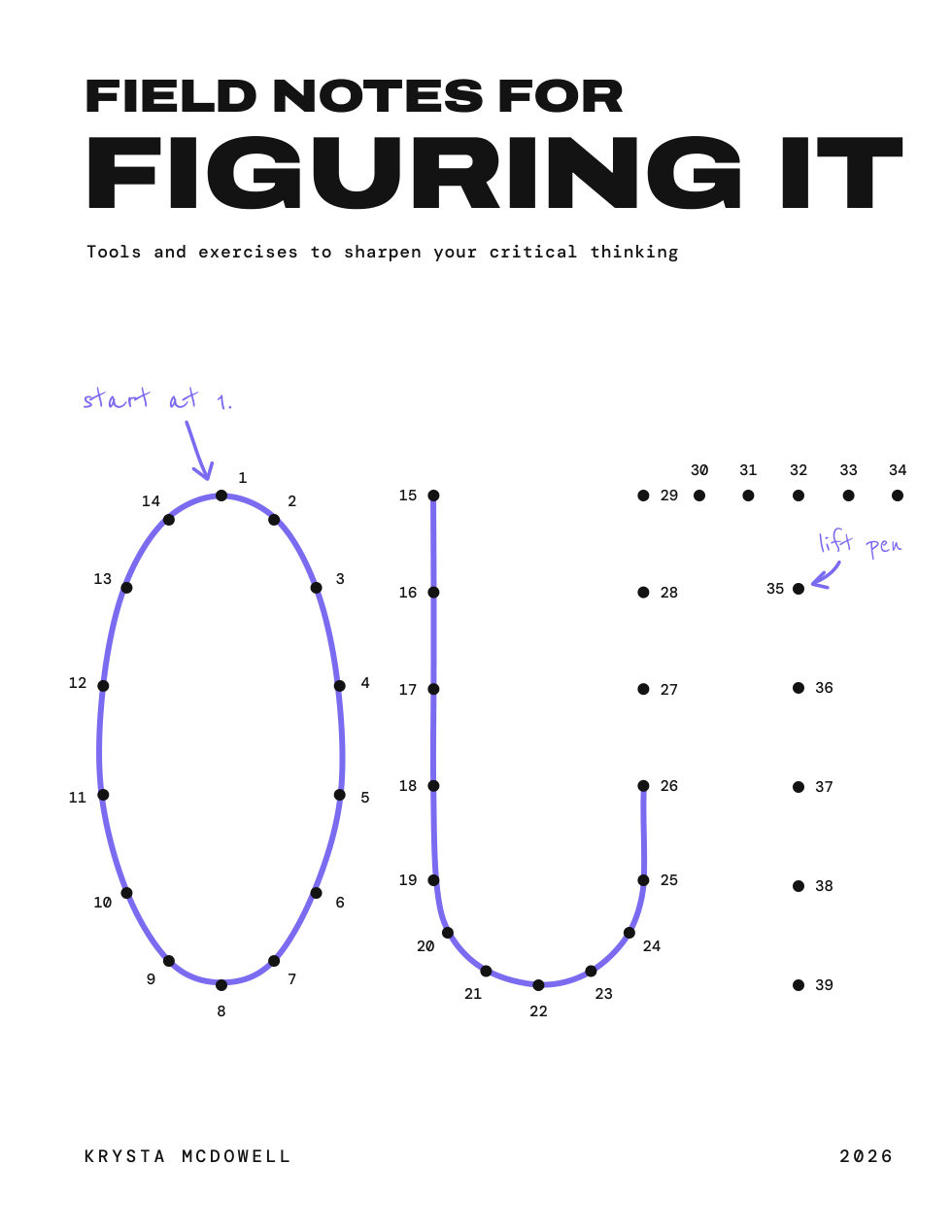
              Front cover of Field Notes for Figuring It Out: a connect-the-dots drawing in violet with the note 'start at 1'. Front cover · 56 pages · 2026
              Workbook · 2026

              Field Notes for Figuring It Out

              A 56-page workbook on professional judgment for interns and early-career operators. The part of the job nobody teaches you until you get it wrong.

              Eleven thinking tools, each with a filled example and a blank worksheet. Nine challenges in three sets, with sample answers, so you can check your thinking against mine.

              11thinking tools
              9challenges, three sets
              56pages, meant to be written in

              “If someone handed you this, it's because they think you're worth the time.”

              The first line of the back cover
              Ask for a copy No download. I send it to people who ask.
              05

              Contact

              say hi

              Email
              Location
              Austin, TX
              Work with OpsArch

              For teams that want this built for them: Operations Architecture, my fractional COO practice with Roberto Abad.

              theopsarchitect.org →